

Search for website feedback software and the results blur together fast: dozens of names, all claiming the same job. Some ask visitors direct questions.
Some just watch what they do without asking anything. A few let someone circle a bug on a screenshot and call it feedback.
I’ve tested enough of these to know the real problem isn’t finding a tool, it’s that most comparisons judge a heatmap tool and a survey tool side by side as if they compete for the same job, when they don’t.
This guide sorts the 10 worth testing in 2026 by the specific job each one does, not by how familiar its name is.
What Is a Website Feedback Tool?
A website feedback tool is software that collects opinions, ratings, or behavioral signals directly from visitors while they’re on your site or in your app. It typically works through on-page surveys, popups, widgets, or embedded forms, feeding that input into a dashboard your team can act on.
Not every tool in that category does the same job. Some ask questions directly, some watch what visitors do without asking anything, and some let testers mark up a live page with annotated screenshots.
Knowing which job you need done first saves you from comparing feature lists that don’t actually compete with each other.
10 Best Website Feedback Software at a Glance
None of the 10 tools below do the same job, so the fastest way to use this table is by category, not by rank. Best For, Capterra rating, and starting price are the fields that matter most before reading the full breakdown.
| Tool | Best For | User Rating | Starting Price |
| Qualaroo | Contextual, AI-powered micro-surveys in-app and on-site | 4.7 (Capterra) | Free plan; paid from $19.99/mo |
| Hotjar | Heatmaps, session replays, and on-site polls | 4.6 (Capterra) | Free plan; paid from $39/mo |
| Zonka Feedback | Multi-channel NPS and CSAT surveys | 4.8 (Capterra) | Paid plans from $199/mo |
| Typeform | Conversational, high-response forms | 4.7 (Capterra) | Free plan; paid from $39/mo |
| SurveyMonkey | Quick, all-purpose surveys | 4.6 (Capterra) | Free plan; paid from $30/mo |
| Survicate | Multi-channel website and product surveys | 4.6 (Capterra) | Free plan; paid from $79/mo |
| Usersnap | Visual bug reporting and annotated feedback | 4.7 (Capterra) | Paid plans from $69/mo |
| Microsoft Clarity | Free heatmaps and session recordings | 4.8 (Capterra) | Free |
| Google Forms | Free, no-frills feedback forms | 4.7 (Capterra) | Free |
| UserTesting | Usability testing and qualitative video feedback | 4.5 (Capterra) | Custom pricing |
Here’s the full breakdown, including where each tool earns its place on this list and where it comes up short.
1. Qualaroo: Best for Capturing Real-Time User Insights In-App and on Your Website Using Contextual, AI-Powered Micro-Surveys
Of all the website feedback tools I’ve tested, Qualaroo won out for tracking pricing-page drop-off: launching a new question took no engineering time.
A Nudge™ aimed at visitors who scrolled past pricing and left without clicking was live within the hour, no dev ticket required, and the AI Survey Creator turned a rough prompt into a usable first draft before I’d even opened the question builder.
Targeting narrows fast from there: failed onboarding, a specific plan, one ad campaign, any segment worth isolating.
AI-powered feedback analysis turns a pile of open-text answers into a few clear themes instead of a spreadsheet nobody reads twice, and skip logic and branching only shows the follow-up question that actually applies, while the Identify API means a low-scoring response comes with an actual account attached instead of an anonymous session ID.
Pros:
- AI Survey Creator for quick and easy survey creation
- AI-powered feedback analysis for automated tagging, key summaries, sentiment analysis, and more
- Advanced targeting based on identity, custom properties, behavior, geolocation, exit intent, and more
- Heatmaps and Session Recordings for behavioral tracking
- The Identify API to tie each response to a specific user
- Nudge™ for prototypes on Figma, Adobe XD, InVision, and more
- Branching and skip logic for relevant questions
- Multilingual surveys in over 70 languages
- Customizable branding, colors, and logo
- In-app surveys for iOS and Android
Cons:
- Dedicated onboarding and account manager services are generally reserved for paid plans
- There is no downloadable or on-premise version available, so an internet connection is required to use the tool
User Rating: 4.7/5
Pricing: Free plan available with all premium features. Paid starts at $19.99 per month, followed by Business at $49.99 and Enterprise at $149.99.
GraphicSprings increased revenue by 41 percent after using Qualaroo surveys to guide changes to its site’s UX, the kind of lift that starts with asking visitors the right question at the right moment.
2. Hotjar: Best for Heatmaps, Session Replays, and On-Site Polls
Hotjar’s heatmaps catch what a stakeholder meeting never will: dead zones, rage clicks, the exact spot where someone gives up on a form.
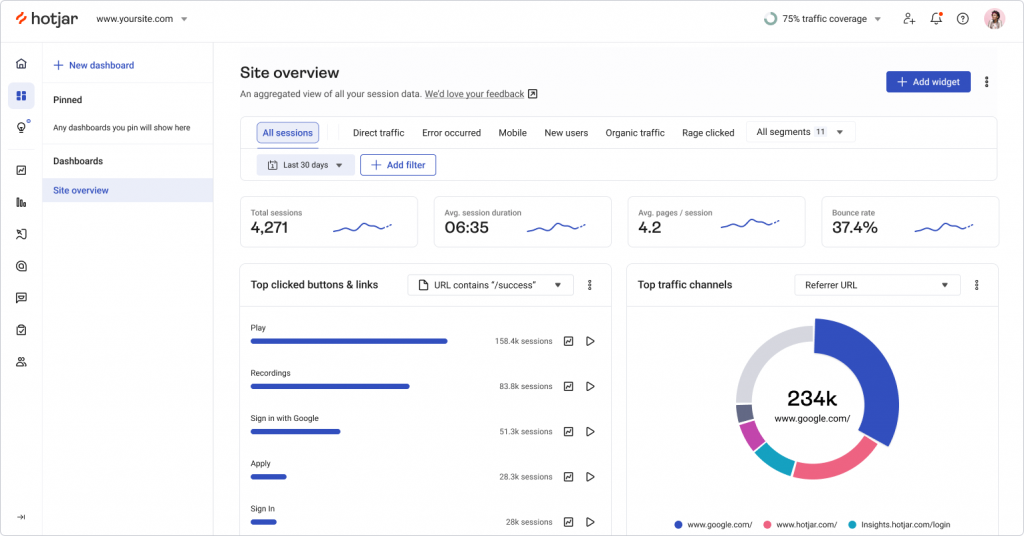
Ten session recordings back to back usually explain more than a week of analytics reports ever could, especially on a checkout flow where the drop-off number alone never says why people stall.
Its survey tool is the part that shows the seams. Targeting options are thinner than a dedicated survey builder, and reviewers consistently note the free plan’s session cap gets used up faster than expected once traffic picks up.
Funnel tracking helps narrow down exactly which step loses the most people, and the Slack integration means a rage-click spike shows up in a channel instead of sitting unnoticed in a dashboard nobody checks daily.
Pros:
- Click, scroll, and move heatmaps segmented by device
- Session recordings with filters for rage clicks and errors
- Lightweight on-site feedback widgets and polls
- Fast setup with a single tracking snippet
- Integrates with Slack and Google Analytics
Cons:
- Free plan’s session limit runs out fast on higher-traffic sites
- Survey targeting is noticeably thinner than a dedicated survey tool like Qualaroo
- Pricing rose after its move to Contentsquare, catching some longtime users off guard
User Rating: 4.6/5
Pricing: Free plan available. Paid plans start around $39 per month.
3. Zonka Feedback: Best for Multi-Channel NPS and CSAT Surveys
Zonka Feedback fits a team that needs NPS, CSAT, or CES scores collected across email, web, SMS, and kiosk, not just a website.
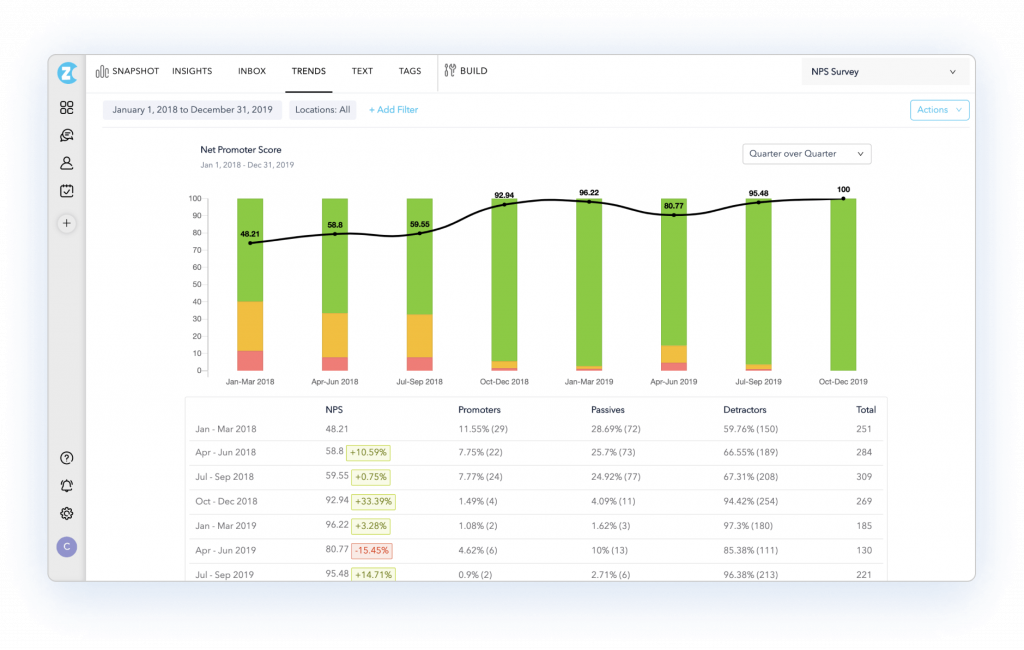
Running all of that through one dashboard instead of three separate subscriptions is the entire pitch, and it shows up clearly for a hospitality or healthcare brand collecting feedback both in person and online at the same time.
Reporting is fast to read and a new survey goes live quickly, with templates covering most of the standard NPS and CSAT question formats out of the box.
The tradeoff shows up for a team that only needs a simple on-site popup: the multi-channel setup and reporting depth becomes weight it’s carrying without using, and configuring alerts across every channel takes real time before the dashboard settles into something a team checks daily.
Pros:
- Ready-to-use CSAT, NPS, and CES templates
- Multi-channel collection across web, email, SMS, and kiosk
- Real-time dashboards with text analytics
- Automated alerts and follow-up workflows
- Strong customization for on-brand surveys
Cons:
- Overkill for teams that only need simple website popups
- Multi-channel setup takes more configuration time upfront
- Pricing scales quickly once you add automation and reporting add-ons
User Rating: 4.8/5
Pricing: Paid plans start around $199 per month.
4. Typeform: Best for Conversational, High-Response Feedback Forms
Typeform earns its spot for one reason: a form that feels like a conversation completes at a noticeably higher rate than a static grid of questions, one question per screen instead of ten crammed onto a page.
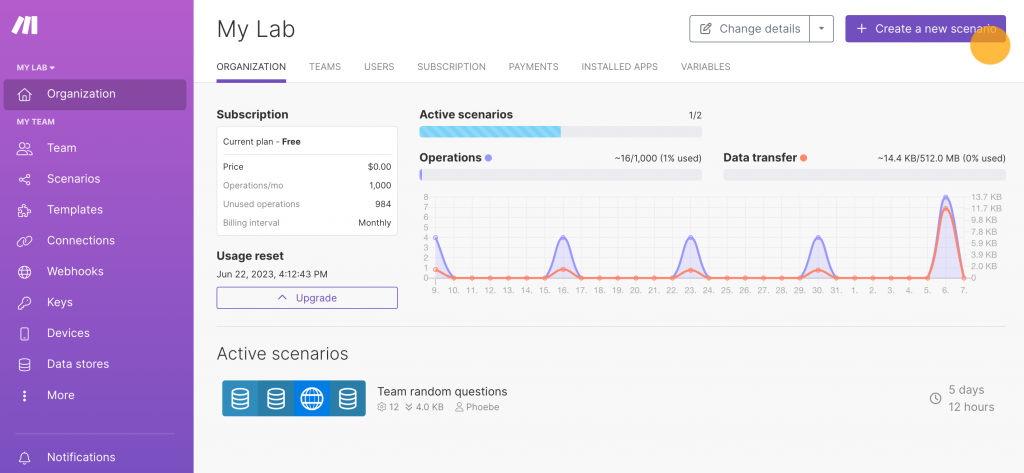
That difference shows up most on longer intake forms, where a design agency or SaaS onboarding flow needs more than a name and email to get started.
It’s not a popup survey tool in the Qualaroo or Hotjar sense, though. Typeform builds standalone conversational forms you embed or link to, a different job than triggering a question at the exact moment someone hesitates on a page.
Conditional logic branches a form based on an earlier answer, and the design control makes a form feel like part of the product rather than a bolted-on afterthought.
Pros:
- One-question-at-a-time conversational format
- Strong visual branding and design control
- Conditional logic and branching
- Over 120 integrations, including Slack and Google Sheets
- Templates for surveys, quizzes, and feedback
Cons:
- Not built for true on-page, contextual targeting the way popup survey tools are
- Analytics are lighter than dedicated survey platforms
- Costs climb fast once you need higher response volumes
User Rating: 4.7/5
Pricing: Free plan available. Paid plans start around $39 per month.
5. SurveyMonkey: Best for Quick, All-Purpose Surveys
SurveyMonkey remains one of the fastest ways to get a survey live, and the template library alone saves an afternoon of question-writing.
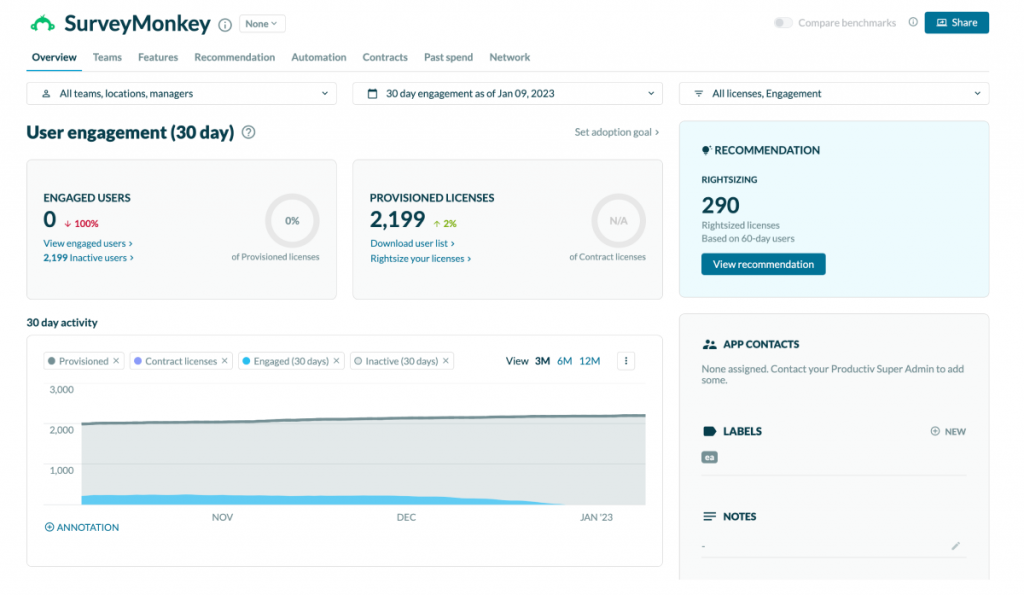
It’s the default pick for a team that just needs a quick, no-frills survey today, whether that’s a customer poll after a support ticket closes or a one-off employee check-in with no real setup time to spare.
What it doesn’t do is contextual, on-page targeting. It’s built to be sent or linked, not triggered by a specific visitor behavior, which matters if the goal is catching someone mid-hesitation rather than mid-inbox.
Skip logic keeps longer surveys from feeling repetitive, and the reporting dashboard is simple enough that anyone on a team can read the results without waiting on someone else to build a chart first.
Pros:
- Huge template library across use cases
- Drag-and-drop builder with skip logic
- Exports to Excel and Google Sheets
- Real-time analytics dashboard
- Broad integrations, including Salesforce and Mailchimp
Cons:
- Free plan is quite limited for anything beyond a single quick survey
- Advanced features and higher response volumes require pricier tiers
- Less suited to true in-context, on-page targeting
User Rating: 4.6/5
Pricing: Free plan available. Paid plans start around $30 per month.
6. Survicate: Best for Multi-Channel Website and Product Surveys
Survicate fits a SaaS team that wants website, in-app, and email surveys running under one subscription instead of three.
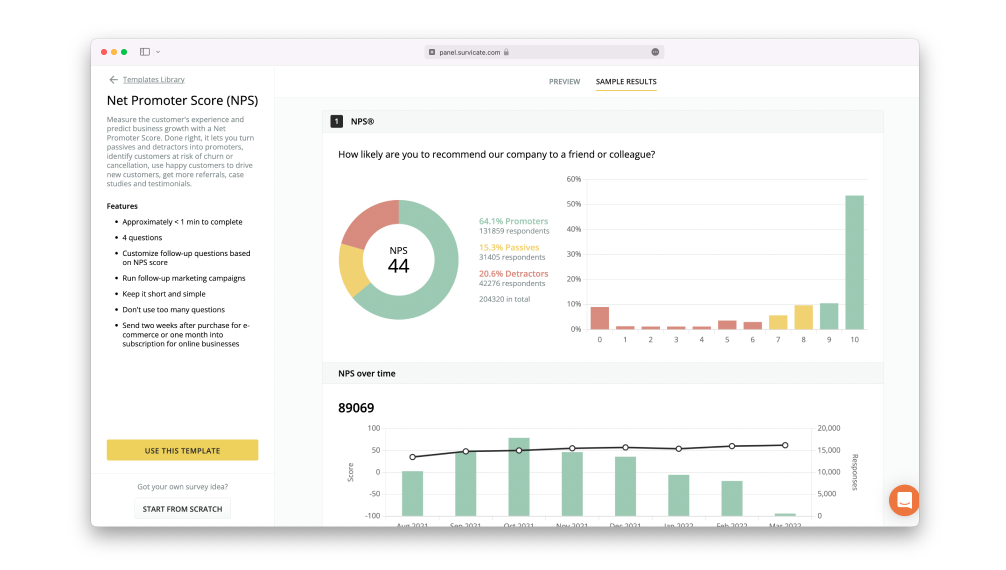
It leans on templates rather than building from scratch, which keeps setup fast without much survey-design expertise required, and pre-built question sets for NPS or feature feedback mean a first survey can go live the same day a team decides to run one.
The tradeoff is that each survey only supports one language at a time, a real constraint the moment a team is serving customers across regions.
Advanced targeting and segmentation help narrow who sees which question, and the HubSpot and Intercom integrations mean a low score can trigger a follow-up task automatically instead of sitting in a spreadsheet someone has to remember to check every week.
Pros:
- Surveys across web, in-app, email, and link
- Advanced targeting and audience segmentation
- Pre-built templates for NPS, CSAT, and product feedback
- Real-time analytics and reporting
- Integrates with HubSpot, Intercom, and Slack
Cons:
- Each survey supports only one language at a time
- Response volumes get expensive faster than you’d expect
- Some users report audience targeting misfires, showing surveys to the wrong segment
User Rating: 4.6/5
Pricing: Free plan available. Paid plans start around $79 per month.
7. Usersnap: Best for Visual Bug Reporting and Annotated Feedback
Usersnap solves a specific headache: clients emailing screenshots with red circles scrawled on them instead of a clear bug report.
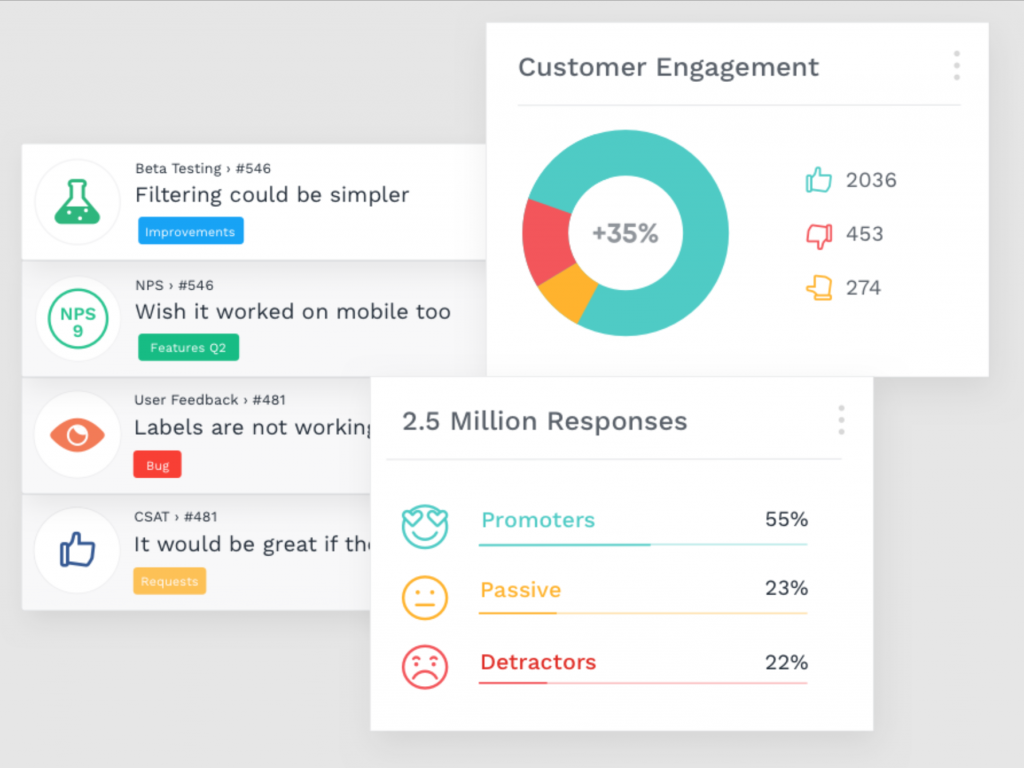
It flips that entirely, letting testers, clients, or teammates mark up a live page directly, with annotations, notes, and a screen recording attached automatically if the issue needs more context than a single static image can show.
That makes it a different animal from the rest of this list. It’s not asking users what they think; it’s letting them show you exactly where something’s broken.
The Jira and Trello integrations push a marked-up screenshot straight into an existing workflow, which matters most for a QA team or agency juggling bug reports across several client sites at once rather than one product alone, where email threads used to be the only paper trail.
Pros:
- Visual annotation directly on screenshots
- In-app bug tracking widget and dashboard
- Integrates with Jira, Trello, and Zendesk
- Easy for non-technical reviewers to use
- Customizable feedback forms
Cons:
- Not built for survey-style research or NPS tracking
- Pricing scales quickly with more users or projects
- Branding removal is limited to the highest-priced plan
User Rating: 4.7/5
Pricing: Paid plans start around $69 per month.
8. Microsoft Clarity: Best for Free Heatmaps and Session Recordings
Microsoft Clarity is the pick the moment a budget conversation gets tight. It does most of what a paid heatmap tool does, heatmaps, session recordings, rage click and dead click flags, for zero dollars, and teams rarely outgrow the free tier on features alone.
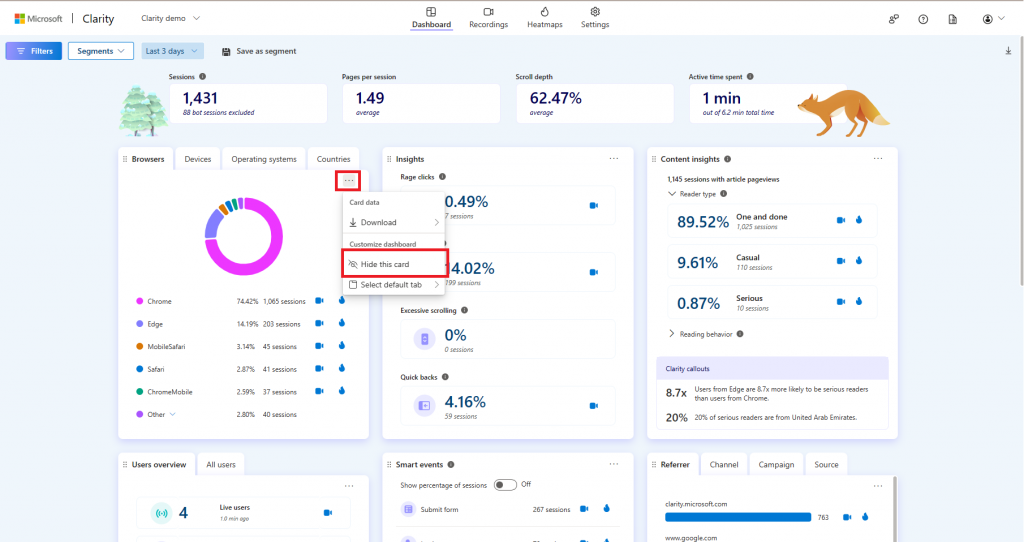
Setup takes a single script pasted through Google Tag Manager, and sessions start populating within minutes rather than the next business day.
Copilot-generated summaries turn a long session recording into a few plain-language sentences about what actually happened, which saves real time for a small team without a dedicated analyst.
It won’t replace a survey tool, since there’s no way to ask a visitor a direct question, but paired with something like Qualaroo for the actual questions, it covers the behavioral half of the picture at no added cost.
Pros:
- Completely free with no session caps
- Heatmaps, session recordings, and rage click tracking
- Simple setup through a JavaScript snippet or Google Tag Manager
- Copilot-generated session summaries in plain language
Cons:
- No native survey or feedback widget of its own
- Integrations are limited compared to paid competitors
- Interface can feel cluttered for first-time users
User Rating: 4.8/5
Pricing: Free.
9. Google Forms: Best for Free, No-Frills Feedback Forms
Google Forms is the tool almost everyone has already used, whether that was a workshop sign-up sheet or a quick internal poll.
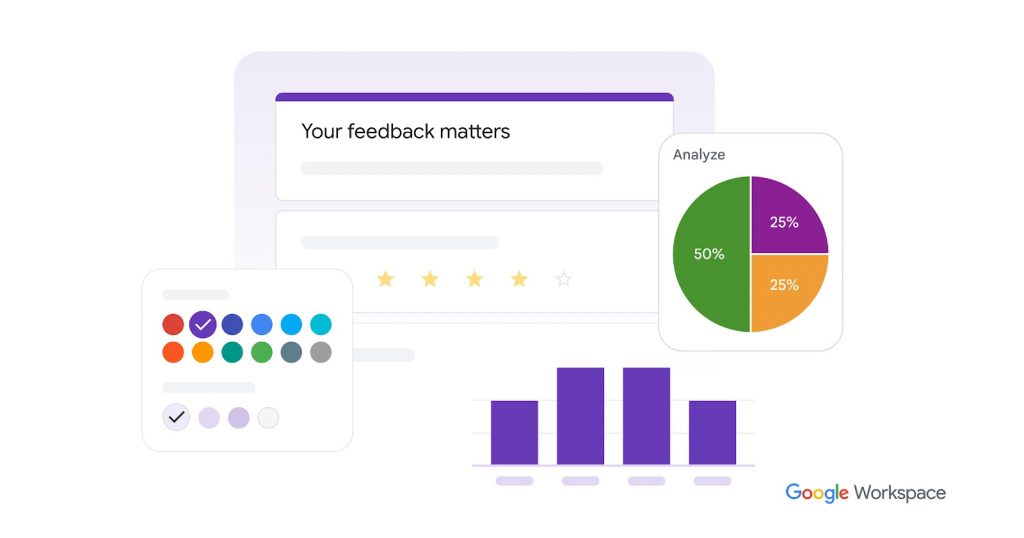
It’s not built for on-site targeting or contextual popups, but as a free, no-setup way to collect structured feedback, it still holds up better than its reputation suggests, especially for a small team that just needs a link to send rather than a widget to install on a live website.
Response charts generate automatically as answers come in, and everything ties directly into Google Sheets for anyone who wants to build a pivot table on top of the raw data.
There’s no branding to remove and no plan to upgrade to, which makes it a fine starting point for a team validating an idea before committing budget to a dedicated tool later.
Pros:
- Completely free with unlimited forms and responses
- Drag-and-drop builder with automatic charts
- Integrates natively with Google Sheets
- Zero learning curve for most users
Cons:
- Requires a constant internet connection to submit
- Lacks advanced branching, logic, and targeting
- Branding and design customization are minimal
User Rating: 4.7/5
Pricing: Free.
10. UserTesting: Best for Usability Testing and Qualitative Feedback
UserTesting is the pick when a survey response isn’t enough and a team needs to actually watch someone struggle through a flow.
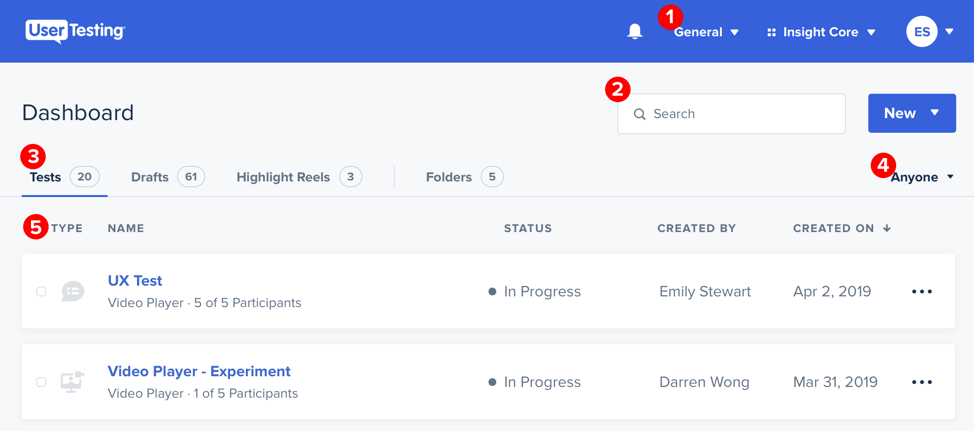
Instead of a popup asking what someone thinks, real people narrate their reactions on camera while using the site, which surfaces confusion a numeric score or a short text answer would never fully explain on its own.
It answers a different question than the rest of this list. Where a Nudge or a popup tells you what users think, a UserTesting session shows you why.
Panel recruitment lets a team target testers by device, age, or familiarity with a product category, and reviewing even five sessions on a new checkout flow usually surfaces the same sticking point more than once, which is a strong signal something needs fixing before launch.
Pros:
- Real user video and audio feedback
- Panel recruitment and targeting by demographic
- Works for websites, prototypes, and mobile apps
- Useful for qualitative research, not just quantitative scores
Cons:
- Pricing is custom and can get expensive at scale
- Reviewing hours of video takes real time investment
- Not a fit for quick, high-volume feedback collection
User Rating: 4.5/5
Pricing: Custom pricing (contact vendor).
What Are My Top 3 Picks for Website Feedback Software?
If you read all 10 entries and still aren’t sure where to start, these three are the strongest starting point for most teams evaluating options right now.
Qualaroo
Qualaroo is the first pick because it solves the specific problem most of these tools only solve halfway: asking the right question to the right visitor at the right moment, without slowing down a site.
At $19.99 a month for Essentials, unlimited responses matter once traffic grows past what a free plan comfortably handles. Compare that to a tool charging per response, and the math tips in Qualaroo’s favor fast for a team running more than a couple of surveys a month.
The advanced targeting means a product manager, a CRO lead, and a UX researcher can all run different surveys off the same account without stepping on each other’s data. For a team that wants feedback tied to actual product decisions rather than a spreadsheet of comments, that trade-off is worth it.
Hotjar
Hotjar is the second pick for a team that wants behavioral context alongside feedback, not instead of it. At $39 a month for the entry paid tier, it’s priced close to Qualaroo’s Essentials plan, but it buys a different toolkit: heatmaps and session recordings first, light survey capability second.
That combination pays off when a page’s problem is already known and the team needs to see it happen, rather than only reading about it in a text response. The math changes if surveys are the primary need.
Hotjar fits CRO-focused teams auditing a handful of high-traffic pages best, where watching a dozen session recordings alongside a quick on-site poll answers a UX question faster than a longer survey program would.
Zonka Feedback
Zonka Feedback rounds out the top three for one reason: multi-channel reach. If a feedback program needs to follow customers across email, SMS, kiosk, and web, not just a website, Zonka’s $199 a month starting price buys a single dashboard instead of stitching together three separate tools.
That’s real savings for a team previously paying for a website popup tool and a separate email NPS platform. The trade-off is that $199 a month is a meaningful jump over Qualaroo’s or Hotjar’s entry tiers, and a feedback program that lives entirely on a website ends up paying for channels it won’t use.
CX teams at hospitality, healthcare, or multi-location retail brands are the best fit here, since those are exactly the businesses gathering feedback in person and online at the same time, and the price makes more sense once that many channels roll into one report.
How Did I Evaluate These Website Feedback Software?
I evaluated the website feedback tools in this list based on what actually matters when you’re the one signing off on the subscription and living with the tool day to day. Here’s what I weighed, and in what order.
User Reviews and Ratings: I pulled every rating in this list from Capterra and read past the star count into the specific complaints, since a strong average sitting next to repeated “wrong category for my use case” reviews tells you more than the number alone.
Essential Features and Functionality: I checked whether each tool actually does the job its category promises, contextual targeting for surveys, accurate heatmaps for behavior tools, clean video capture for usability testing, since this is exactly where a mismatched tool choice shows up first.
Ease of Use: A feedback tool that takes two weeks to configure defeats its own purpose. I favored tools that get a survey, heatmap, or bug report live in minutes, especially given how often setup friction is the actual reason a team abandons a tool mid-rollout.
Customer Support: I looked at how each tool’s reviews describe support responsiveness, since that matters the moment a survey misfires or a tracking script stops recording. Free tools understandably score lower here, and that’s a fair trade to know upfront rather than discover later.
Value for Money: I compared starting prices against what each plan actually unlocks, not the sticker price alone. A tool that looks cheap but caps your responses or sessions can end up costing more the moment you need to remove that limit.
Personal Experience and Experts’ Opinions: Where I’ve used a tool myself, I said so directly. Where I haven’t, I leaned on patterns that repeat across verified reviews and what I’ve watched colleagues run into on real projects, rather than any single reviewer’s opinion.
FREE. All Features. FOREVER!
Try our Forever FREE account with all premium features!
How Do You Choose the Right Website Feedback Tool for Your Team?
The honest answer is that “best website feedback tool” depends entirely on which job you actually need done. Here’s a quick way to match your problem to the right category.
| If Your Problem Is | Look At |
| Anonymous popups converting poorly | Contextual survey tools with exit intent targeting, like Qualaroo |
| Not knowing why a page underperforms | Heatmap and session tools like Hotjar or Microsoft Clarity |
| Clients emailing screenshots instead of clear bug reports | Visual feedback tools like Usersnap |
| Wanting to watch, not just read, user reactions | Usability testing tools like UserTesting |
| Needing NPS or CSAT across more than your website | Multi-channel platforms like Zonka Feedback or Survicate |
One problem shows up across almost every team running website feedback: survey fatigue. Show the same visitor the same popup on every visit, and your response rate quietly collapses, along with their patience for your site.
A Few Fixes Work Regardless of Which Tool From This List You Pick:
- Cap how often a single visitor sees any one survey, typically once every 30 to 90 days.
- Suppress the survey entirely once someone has answered it.
- Target logged-in users with contextual, behavior-based questions instead of blasting every anonymous visitor.
That last point is where knowing who answered matters. If you’re only running anonymous popups, you have no way to connect a comment like “checkout is broken” to an account you can follow up with. Qualaroo’s Identify API solves that specific gap by tying survey responses to a real email or customer ID, so a low-CSAT comment turns into a name your support team can actually reach out to. According to Hootsuite’s case study with Qualaroo, this kind of targeted, in-context approach delivered a 16 percent lift in conversion at 98 percent statistical significance.
Three website feedback questions you can copy today:
- On a scale of 0 to 10, how likely are you to recommend us to a friend or colleague?
- What almost stopped you from completing this action today?
- Is there anything missing from this page that you expected to find?
Your Next Feedback Program Starts With One Survey, Not Ten Tools
You don’t need all 10 tools on this list. You need the one that matches the problem you’re solving, whether that’s understanding checkout drop-offs, analyzing a pricing page, or tracking NPS across channels.
The mismatch problem cuts both ways. If you’re drowning in vague survey data, you may need session recordings to see friction firsthand. If you already know where a page breaks down, you may need a contextual survey to understand what users expected. Matching the tool to the actual gap saves more time than switching between similar vendors.
These tools can also work together. A heatmap shows where to look, a contextual survey asks what happened, and usability testing helps uncover why. You rarely need all three at once, but choosing based on your actual problem is better than following what competitors use.
So, name the problem first, pick the tool that addresses it, and run it for a month before changing anything else. Start with a single, targeted survey on your highest-traffic page. Qualaroo’s free plan lets you test this without a major commitment, and the results can make your next move much clearer.
Frequently Asked Questions
What is the difference between a website feedback tool and a website analytics tool?
A website feedback tool collects direct opinions from visitors through surveys, popups, or bug reports. A website analytics tool tracks behavior, like page views and traffic sources, without asking anything. Most teams need both: analytics shows a pricing page has a high bounce rate, feedback explains whether visitors found it confusing or just couldn't find the CTA.
Can I use a free website feedback tool for a growing SaaS business?
Yes, up to a point. Free plans from Qualaroo, Microsoft Clarity, or Google Forms work well for early-stage validation and occasional pulse checks. Limits show up in response caps, targeting, and reporting depth. Most teams outgrow a free plan within their first year of real traffic growth, once questions get more specific than a survey can answer.
How much do website feedback tools typically cost?
Entry-level paid plans in this list range from about $19.99 to $79 a month, covering most single-channel survey or heatmap tools. Multi-channel platforms like Zonka Feedback start closer to $199 a month. Usability testing platforms like UserTesting run on custom, contact-vendor pricing instead. Free plans exist for most categories, though they typically cap responses or advanced targeting.
What is a good response rate for a website feedback survey?
Anonymous, on-site popups aimed at every visitor typically see response rates in the low single digits. Surveys targeted at logged-in users at a specific moment, like right after a failed checkout, routinely perform far better, often climbing into double digits, since the question feels relevant rather than random. Timing and targeting explain the gap more than wording does.
How do I stop website feedback surveys from annoying my visitors?
Limit how often any one visitor sees a survey, typically once every 30 to 90 days, and suppress it once someone has responded. Target it to a specific behavior rather than showing it to everyone. Short, one to three question surveys complete at a much higher rate than longer ones.
Are website feedback tools GDPR compliant?
Most established platforms, including Qualaroo, Hotjar, and SurveyMonkey, publish GDPR compliance documentation and offer data controls like consent settings and deletion requests. Compliance isn't automatic just because a vendor claims it, though, how a survey is configured and how long responses are retained both matter. Always confirm current compliance details directly with the vendor before collecting feedback from EU visitors.
Can website feedback tools work inside mobile apps, not just websites?
Some can. Qualaroo offers native iOS and Android SDKs built for in-app surveys, which matters for triggering a question based on an in-app event rather than a page view. A few other platforms support mobile only through browser-based web views instead. If in-app feedback matters as much as on-site feedback, confirm native SDK support before choosing a tool.
What is the best free website feedback tool in 2026?
It depends on the job. For pure form building, Google Forms remains hard to beat at zero cost. For behavior insight, Microsoft Clarity offers free heatmaps and session recordings with no session cap. For contextual, targeted surveys with room to grow, Qualaroo's free plan is the strongest starting point on this list.
Is Delighted still a good option for NPS surveys?
No. Delighted officially shut down on June 30, 2026, after Qualtrics folded it into its enterprise XM suite, and it's no longer available to sign up for or renew. Older comparison articles still reference it. Teams evaluating NPS tools now should look at Zonka Feedback for a dedicated program, or Qualaroo if NPS runs alongside other on-site surveys.
FREE. All Features. FOREVER!
Try our Forever FREE account with all premium features!

 We'd love your feedback!
What did you like & how can we make it even better?
 Thanks for your feedback!
 Ask Your Question
Have a question? Get expert help to make your decision easier.